

Intravenous Vitamin Drips at One Point Healthcare
Feeling run down can come from many things: poor sleep, stress, dehydration, travel, intense workouts, or not getting enough key nutrients. Intravenous vitamin drips are often chosen by people who want a direct, supervised way to support hydration and replenish selected vitamins.
At One Point Healthcare, the focus is simple: offer IV vitamin drips in a safe clinical setting, with clear guidance and affordable prices. The goal is not to sell a one-size-fits-all treatment. It is to help people choose the right option, understand what it may do, and know when it is not suitable.
This article is for general information only. IV vitamin therapy should always be discussed with a qualified healthcare professional, especially for anyone with a medical condition or taking regular medication.

What intravenous vitamin drips are
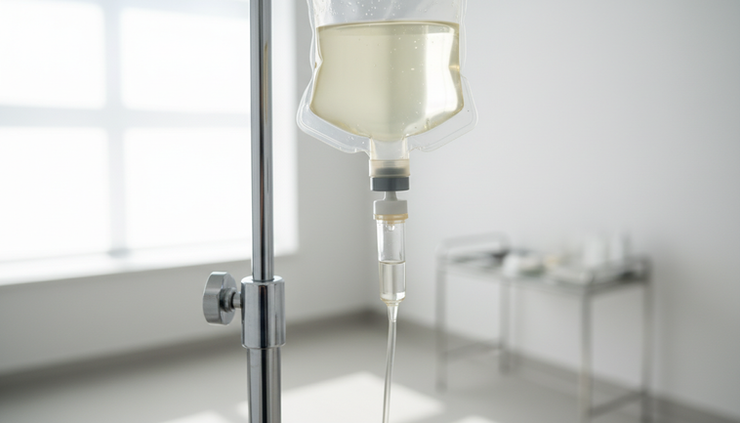
Intravenous vitamin drips deliver fluids, vitamins, and sometimes minerals directly into the bloodstream through a small IV line. Because the nutrients bypass the digestive system, they are absorbed differently from tablets, capsules, or drinks.
That does not mean IV therapy is automatically better for everyone. Oral supplements work well for many people. IV drips may be preferred in certain situations, such as when someone wants hydration support, has difficulty tolerating oral supplements, or is following advice from a healthcare provider.
A typical drip may include ingredients such as:
Vitamin C
B vitamins
Magnesium
Electrolytes
Hydration fluids
Other selected nutrients, depending on suitability
The exact formula should be based on need, health history, and professional assessment. A good provider will explain what is in the drip before treatment begins.
Key benefits people look for
The benefits of intravenous vitamin drips vary from person to person. They depend on the ingredients used, the individual’s health, and whether there is an actual deficiency or hydration need.
Common reasons people ask about IV vitamin therapy include:
Hydration support
IV fluids can help support hydration when guided by a healthcare professional. This is one of the most straightforward uses of drip therapy, especially for people who feel depleted after travel, heat exposure, or heavy activity.
Nutrient replenishment
Some people struggle to maintain certain vitamin levels through diet alone. IV drips may help replenish selected nutrients, but this should be based on proper guidance rather than guesswork.
Support during busy or demanding periods
People often seek IV vitamin therapy when they feel low on energy or mentally drained. A drip is not a cure for fatigue, but hydration and nutrient support may help some people feel more balanced when used appropriately.
Digestive bypass
Since the drip enters the bloodstream directly, it does not rely on digestion in the same way tablets do. This can be helpful for people who do not tolerate certain oral supplements well.
The safest IV vitamin drip is the one chosen for the right reason, at the right dose, after the right health check.
Why affordability matters in vitamin drip therapy
Wellness treatments can become expensive quickly, especially when they are priced as luxury services. One Point Healthcare aims to make IV vitamin drips available at affordable prices while keeping clinical safety at the centre of care.
Affordable does not mean rushed or basic. It should mean:
Clear pricing before treatment
No pressure to buy unnecessary add-ons
Sensible recommendations based on need
Professional screening before a drip
Honest advice if IV therapy is not the right choice
This matters because people should be able to access supportive care without feeling pushed into treatments they do not need. The best experience is transparent from the start.
At One Point Healthcare, the value comes from combining reasonable pricing with a healthcare-led approach. That balance is important. A drip should never be treated like a trend or a casual beauty extra. It is a clinical procedure and should be handled with proper care.
What to expect during an appointment
A good IV vitamin drip appointment starts before the drip itself. The team should ask about general health, medications, allergies, previous reactions, and the reason for treatment. In some cases, they may recommend a different service or advise speaking to a doctor first.
The process usually includes a few simple steps:
Health screening
The provider checks whether IV therapy is suitable. This may include questions about kidney health, heart conditions, pregnancy, allergies, and current medication.
Treatment selection
A drip is chosen based on the person’s goals and suitability. The ingredients should be explained in plain language.
IV placement
A trained professional places a small IV line, usually in the arm or hand. Mild discomfort can happen, but the process is usually brief.
Drip session
The infusion runs while the person rests. The team should monitor comfort and be available throughout the treatment.
Aftercare advice
After the drip, the provider may advise drinking water, eating normally, and watching for any unusual symptoms.

Who may need extra care before trying a drip
IV vitamin drips are not suitable for everyone. Some people need extra medical review before receiving treatment.
This includes anyone who:
Has kidney disease
Has heart disease or fluid restrictions
Is pregnant or breastfeeding
Takes regular prescription medication
Has a history of allergies or fainting
Has a chronic medical condition
Is receiving cancer treatment or immune-suppressing medicine
Side effects are possible. These may include bruising, irritation at the IV site, dizziness, infection risk, or a reaction to an ingredient. Serious reactions are uncommon but can happen, which is why trained supervision matters.
One Point Healthcare should always be told about medical history before treatment. Full information helps the team choose safely, adjust the plan, or recommend another route if needed.
How to choose the right drip
The best drip is not the one with the longest ingredient list. More ingredients do not always mean better results. A simpler formula may be more suitable, depending on the goal.
Before booking, it helps to ask:
What ingredients are included?
Why is this drip recommended?
How long will the appointment take?
Are there any risks for my health situation?
What should I do after treatment?
Is the price clear before I start?
These questions protect both safety and budget. They also make the experience more useful. A trusted provider will welcome them.

A practical way to support wellness
Intravenous vitamin drips can be a useful option for hydration and selected nutrient support when they are delivered safely and chosen for the right reasons. They are not a replacement for good sleep, balanced meals, medical treatment, or regular health checks. They can, though, be part of a broader wellness plan for people who are suitable for them.
One Point Healthcare makes this service more accessible by offering IV vitamin drips at affordable prices, with a focus on professional guidance and clear treatment choices.
The best next step is simple: speak with the healthcare team, share your health history, ask what is in the drip, and choose only what genuinely fits your needs. Safe care and fair pricing should always go together.


Comments